

Overview of Trulicity Side Effects
Trulicity is a medication commonly prescribed for the treatment of type 2 diabetes. Like any medication, it can have side effects that vary from person to person. It is important to be aware of these potential side effects before starting treatment with Trulicity.
Common Side Effects of Trulicity
- Nausea
- Vomiting
- Diarrhea
- Abdominal pain
- Decreased appetite
Severe Side Effects Requiring Immediate Medical Attention
- Severe abdominal pain
- Significant and persistent diarrhea
- Shortness of breath
- Signs of pancreatitis such as severe stomach/abdominal pain that does not go away
- Signs of kidney problems such as change in the amount of urine
Managing Common Side Effects
Managing the common side effects of Trulicity is essential to ensure a comfortable treatment experience and overall well-being. By making some adjustments and seeking guidance when needed, you can navigate through potential challenges more effectively.
Managing Gastrointestinal Side Effects
- Stay hydrated: Drink plenty of water throughout the day to help alleviate nausea and diarrhea.
- Monitor your diet: Avoid spicy, greasy, or heavy foods that may trigger gastrointestinal discomfort.
- Consider smaller meals: Eating smaller, more frequent meals may help reduce the intensity of gastrointestinal side effects.
Lifestyle Changes for Alleviating Fatigue and Headache
- Regular exercise: Engaging in physical activity can help boost energy levels and reduce fatigue.
- Get enough rest: Prioritize quality sleep to combat fatigue and minimize the occurrence of headaches.
- Manage stress: Practice relaxation techniques such as deep breathing or meditation to reduce tension that may contribute to headaches.
Consulting a Healthcare Provider
- If side effects persist: Contact your healthcare provider if side effects become severe or persistent despite self-management strategies.
- New or worsening symptoms: Seek medical advice if you experience new or worsening symptoms that are concerning or interfere with your daily activities.
- Medication adjustments: Your healthcare provider can assess your symptoms and make necessary adjustments to your Trulicity treatment to improve tolerability.
Rare but Serious Side Effects
While most side effects of Trulicity are mild and manageable, it is important to be aware of the rare but serious side effects that may occur during treatment.
Acute Pancreatitis
One rare but serious side effect of Trulicity is acute pancreatitis, which is inflammation of the pancreas. Symptoms may include severe abdominal pain, nausea, and vomiting. Acute pancreatitis can be life-threatening and requires immediate medical attention.
Thyroid Tumors
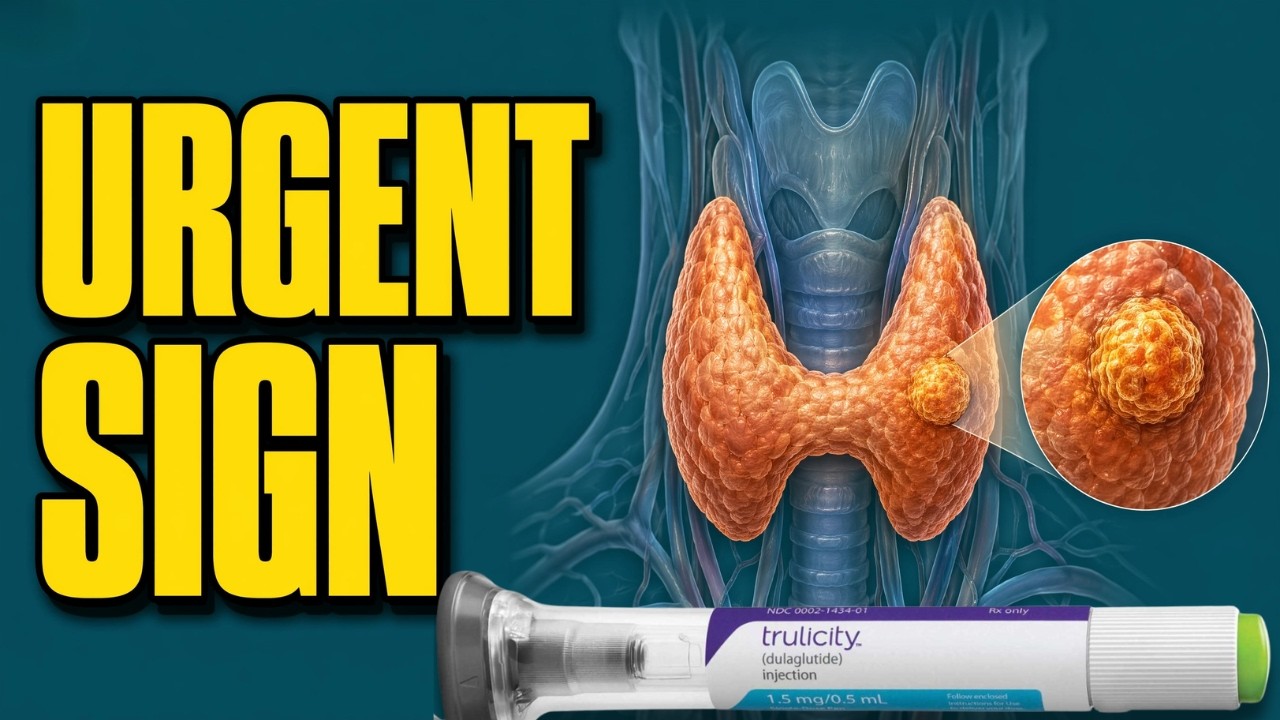
In some cases, Trulicity has been associated with the development of thyroid tumors. It is important to monitor for any unusual changes in the neck area, such as swelling or lumps. Regular thyroid checks may be recommended by your healthcare provider to monitor for this rare side effect.
Severe Hypoglycemia
While uncommon, severe hypoglycemia (low blood sugar) can occur with the use of Trulicity. This can lead to symptoms such as confusion, seizures, or loss of consciousness. It is crucial to monitor blood sugar levels closely and seek medical help if severe hypoglycemia occurs.
Long-Term Effects and Risks

When considering the long-term effects and risks associated with using Trulicity, it's important to understand how this medication may impact your health over an extended period of time.Trulicity is generally well-tolerated by most individuals when used as prescribed. However, there are some potential long-term effects and risks to be aware of:
Potential Long-Term Effects
- Weight Changes: Some individuals may experience weight changes, either weight loss or weight gain, over time while using Trulicity. It is essential to monitor your weight regularly and consult with your healthcare provider if you notice any significant changes.
- GI Issues: Long-term use of Trulicity may lead to gastrointestinal issues such as nausea, vomiting, or diarrhea. These symptoms should be discussed with your healthcare provider to determine the best course of action.
- Bone Health: There is some concern that prolonged use of Trulicity may affect bone health and increase the risk of fractures. It is crucial to discuss this potential risk with your healthcare provider, especially if you have a history of osteoporosis or other bone-related conditions.
Regular Check-ups and Monitoring
- It is essential to have regular check-ups and monitoring while using Trulicity to assess your overall health and any potential long-term effects. Your healthcare provider may recommend routine blood tests, bone density scans, or other assessments to ensure your well-being.
- Monitoring for any signs of adverse effects or complications is crucial for early detection and intervention, minimizing the risks associated with long-term use of Trulicity.
Q&A
What are the common side effects of Trulicity?
Common side effects of Trulicity include nausea, diarrhea, and fatigue.
When should I consult a healthcare provider regarding side effects?
It's important to consult a healthcare provider if you experience severe side effects like persistent vomiting or severe abdominal pain.
What are some rare but serious side effects of Trulicity?
Rare but serious side effects of Trulicity may include pancreatitis or severe allergic reactions.
What are the potential long-term effects of using Trulicity?
Long-term use of Trulicity may have effects on kidney function or pancreas health. Regular check-ups are essential to monitor for these effects.