

Legal Requirements for Collaborating Physicians
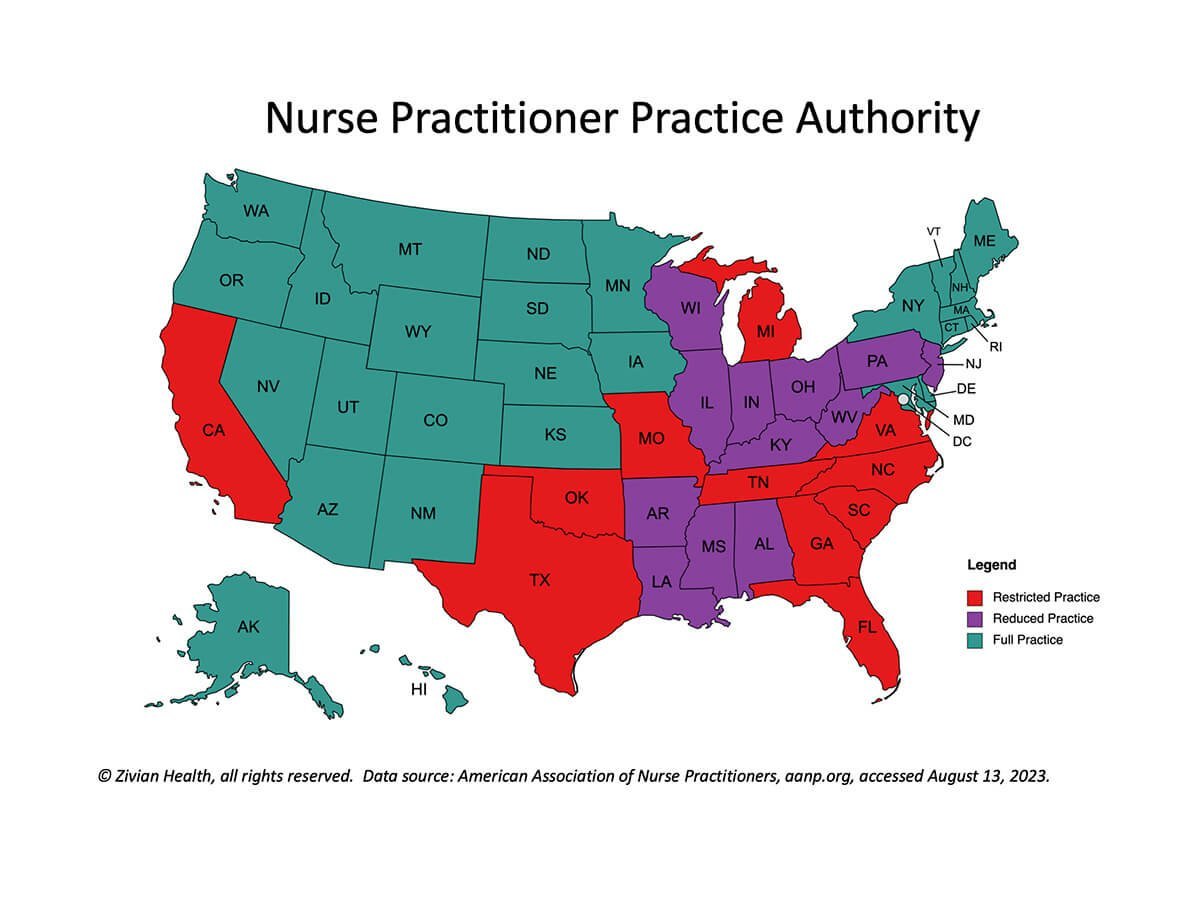
Collaborating physicians play a crucial role in supporting nurse practitioners in their practice by providing oversight, consultation, and collaboration to ensure quality patient care.
Legal Responsibilities of Collaborating Physicians
- In some states, collaborating physicians are required to have a written collaborative agreement with the nurse practitioner outlining the scope of practice and collaboration.
- Collaborating physicians are responsible for supervising and being available for consultation with the nurse practitioner to address patient care issues.
- They may also be required to review and co-sign a certain percentage of patient charts or records to ensure compliance with state regulations.
Comparison of Legal Requirements Across States
Legal requirements for collaborating physicians can vary significantly from state to state. While some states have strict guidelines outlining the specific duties and responsibilities of collaborating physicians, others may have more flexible regulations.
For example, in some states, collaborating physicians may need to be physically present during certain procedures or patient visits, while in others, virtual collaboration may be permitted.
It is essential for both nurse practitioners and collaborating physicians to be aware of and compliant with the legal requirements of the state in which they practice to ensure the delivery of safe and effective patient care.
State-Specific Regulations
In the United States, each state has its own specific regulations regarding collaborating physicians for nurse practitioners. These regulations Artikel the requirements and guidelines that collaborating physicians must adhere to in order to work effectively with nurse practitioners.
California Regulations
California is known for its strict regulations when it comes to nurse practitioners and collaborating physicians. In California, nurse practitioners are required to have a standardized procedure for collaboration with a physician or a group of physicians. This collaboration must be Artikeld in a written agreement that is reviewed and updated regularly.
Texas Regulations
In Texas, collaborating physicians must be physically present at the location where the nurse practitioner is providing care at least 10% of the time. This requirement ensures that collaborating physicians are actively involved in the care provided by nurse practitioners and are readily available for consultation.
New York Regulations
New York has unique regulations that require nurse practitioners to have a written practice agreement with a collaborating physician. This agreement must be filed with the New York State Education Department and include details about the scope of practice, protocols for patient management, and the process for consultation between the nurse practitioner and collaborating physician.
Notable Requirements
Some states have additional unique or notable legal requirements for collaborating physicians. For example, in Florida, collaborating physicians are required to review a certain percentage of patient charts on a regular basis to ensure quality of care. Understanding these state-specific regulations is crucial for nurse practitioners and collaborating physicians to work together effectively and within the boundaries of the law.
Collaborative Agreement Details

Collaborative agreements between nurse practitioners and collaborating physicians are crucial documents that Artikel the working relationship and responsibilities of both parties. These agreements are essential to ensure compliance with legal requirements and to promote effective teamwork in providing quality patient care.
Key Components of a Collaborative Agreement
- Scope of Practice: Clearly define the scope of practice for the nurse practitioner, outlining the services they are authorized to provide.
- Supervision Requirements: Detail the level of supervision required from the collaborating physician, including regular meetings and consultations.
- Prescriptive Authority: Specify the nurse practitioner's ability to prescribe medications and any limitations or requirements related to prescribing.
- Quality Assurance: Establish protocols for quality assurance and peer review to ensure the delivery of safe and effective care.
- Termination Clause: Include a termination clause outlining the process for ending the collaborative agreement if necessary.
Importance of a Collaborative Agreement
A collaborative agreement serves as a legal document that defines the working relationship between nurse practitioners and collaborating physicians. It helps clarify roles, responsibilities, and expectations, ultimately promoting a cohesive and effective healthcare team. By outlining the parameters of the partnership, it ensures compliance with state regulations and protects both parties in the event of any disputes or issues.
Examples of Inclusions in a Collaborative Agreement
- Identification of Parties:Clearly identify the nurse practitioner and collaborating physician involved in the agreement.
- Duration of Agreement:Specify the term of the agreement and any renewal or termination provisions.
- Communication Protocols:Artikel how communication between the parties will occur, including regular meetings and methods of contact.
- Emergency Protocols:Detail procedures for handling emergencies and the process for escalation when necessary.
- Documentation Requirements:Specify documentation responsibilities for both parties, such as record-keeping and reporting requirements.
Monitoring and Oversight
Monitoring and oversight are crucial aspects of the collaboration between nurse practitioners and collaborating physicians to ensure adherence to legal requirements and maintain high-quality patient care.
Responsibilities of Collaborating Physicians
- Collaborating physicians are responsible for regularly reviewing patient charts and treatment plans to ensure compliance with state regulations.
- They must provide guidance and supervision to nurse practitioners, offering support and feedback as needed.
- Collaborating physicians should be available for consultations and be actively involved in decision-making processes regarding patient care.
Ensuring Compliance
- Collaborating physicians can conduct periodic audits or reviews of the collaboration to identify any areas of non-compliance and take corrective actions.
- They should stay updated on changes in state laws and regulations to ensure that the collaboration remains within legal boundaries.
- Regular communication and feedback between nurse practitioners and collaborating physicians are essential to address any issues promptly.
Documentation and Reporting
- Collaborating physicians must maintain detailed records of their interactions with nurse practitioners, including consultations, feedback, and guidance provided.
- Documentation should also include patient charts, treatment plans, and any modifications made to ensure transparency and accountability.
- Reporting processes may vary by state, but collaborating physicians are typically required to submit regular reports to regulatory bodies to demonstrate compliance with legal requirements.
FAQs
What are the legal responsibilities of collaborating physicians in different states?
Collaborating physicians have varying legal responsibilities depending on the state they practice in. These responsibilities typically include oversight of the nurse practitioner's practice, ensuring compliance with state regulations, and participating in the development and oversight of the collaborative agreement.
How do collaborating physicians ensure compliance with legal requirements?
Collaborating physicians ensure compliance by actively monitoring the nurse practitioner's practice, providing guidance and feedback, and maintaining accurate documentation of the collaboration. They may also conduct regular meetings to review patient cases and ensure adherence to legal standards.
What are the key components of a collaborative agreement between nurse practitioners and collaborating physicians?
A collaborative agreement typically includes details on the scope of practice, communication protocols, protocols for consultation and referral, quality assurance measures, and provisions for handling disagreements or disputes. This agreement serves as a roadmap for the partnership and ensures clarity on roles and responsibilities.