
Understanding Small Business Health Insurance Plans
Small business health insurance plans are crucial for providing employees with access to healthcare coverage. By offering these plans, businesses can attract and retain top talent, boost employee satisfaction, and improve overall productivity.
Types of Health Insurance Plans
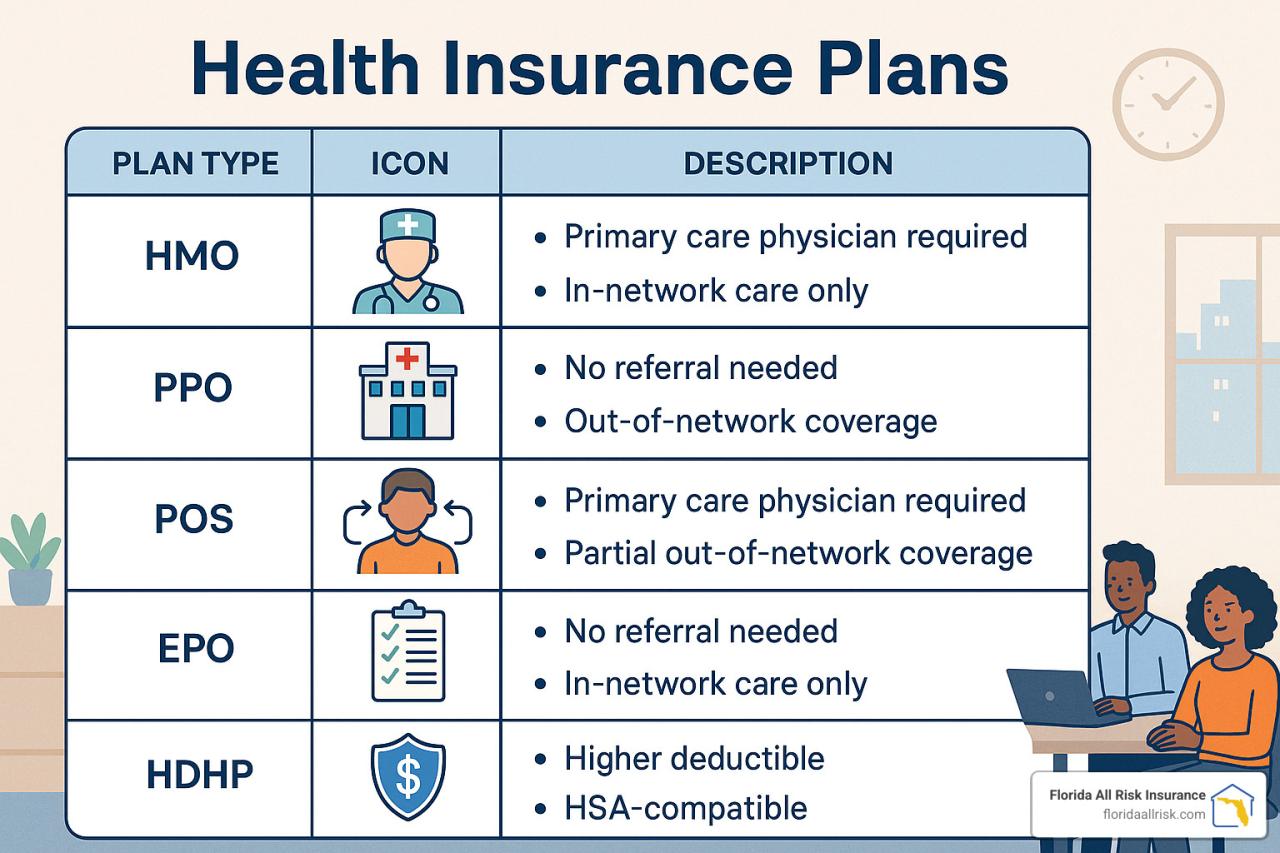
- Health Maintenance Organization (HMO):These plans require employees to choose a primary care physician and get referrals for specialists. They usually have lower out-of-pocket costs but limited provider networks.
- Preferred Provider Organization (PPO):PPO plans offer more flexibility in choosing healthcare providers and do not require referrals to see specialists. However, they tend to have higher premiums and out-of-pocket costs.
- High-Deductible Health Plan (HDHP):HDHPs have lower premiums but higher deductibles. They are often paired with Health Savings Accounts (HSAs) to help employees save for medical expenses.
Benefits of Offering Health Insurance Plans
- Improves employee recruitment and retention.
- Increases employee loyalty and satisfaction.
- Boosts overall productivity and reduces absenteeism.
Cost Savings with Small Business Health Insurance Plans
- Preventive Care:By providing access to preventive services, such as screenings and vaccinations, businesses can help employees stay healthy and avoid costly medical conditions in the future.
- Group Discounts:Small businesses can often secure group discounts on health insurance plans, leading to cost savings for both the employer and employees.
- Tax Benefits:Employers can usually deduct the cost of providing health insurance for employees as a business expense, leading to potential tax savings.
Cost-saving Strategies for Small Business Health Insurance Plans
When it comes to small business health insurance plans, finding cost-saving strategies is crucial for the financial health of your company. Here are some tips to help you save money on health insurance:
Self-Funded vs Fully Insured Plans
One cost-saving strategy for small businesses is to consider the difference between self-funded and fully insured health insurance plans. Self-funded plans allow businesses to pay for their employees' healthcare costs directly, potentially saving money on premiums. On the other hand, fully insured plans involve paying fixed premiums to an insurance company, which can be more predictable but less flexible in terms of cost control.
Negotiating with Insurance Providers
Another effective way to save on health insurance costs is to negotiate with insurance providers. By shopping around and comparing quotes from different insurers, you can leverage competitive pricing to get the best deal for your small business. Additionally, consider increasing deductibles or co-pays to lower premiums, but make sure the out-of-pocket costs are manageable for your employees.
Employee Health and Wellness Programs

Employee health and wellness programs play a crucial role in small business insurance plans. These programs not only promote a healthier workforce but also help in reducing healthcare costs in the long run.
Importance of Integrating Health and Wellness Programs
Employee health and wellness programs are essential for small businesses as they can lead to improved employee productivity, reduced absenteeism, and lower healthcare costs. By encouraging employees to adopt healthier lifestyles and providing resources for preventive care, businesses can create a positive work environment and foster a culture of well-being.
- Offering gym memberships or fitness classes
- Providing healthy snacks and meals in the workplace
- Implementing stress management programs
Examples of Successful Employee Wellness Programs
There are several examples of successful employee wellness programs that have had a significant impact on healthcare costs for small businesses. Companies like Google, Johnson & Johnson, and Zappos have implemented comprehensive wellness programs that include fitness challenges, healthy eating initiatives, and mental health support.
These programs have not only improved employee health but have also resulted in cost savings through reduced healthcare claims and increased productivity.
Preventive Care and Cost Savings
Encouraging preventive care through employee health and wellness programs can lead to significant savings for small businesses in the long term. By promoting regular health screenings, vaccinations, and lifestyle interventions, businesses can prevent costly chronic conditions and reduce the need for expensive medical treatments.
Investing in preventive care can result in lower healthcare costs, fewer sick days, and a healthier, more engaged workforce.
Legal and Compliance Considerations
When it comes to offering health insurance plans for small businesses, there are important legal and compliance considerations that must be taken into account. Failing to adhere to these requirements can result in penalties and fines that could be detrimental to the business.
Key Legal Requirements
- Small businesses must comply with the Affordable Care Act (ACA), which mandates certain provisions for health insurance coverage.
- Employers are required to provide a Summary of Benefits and Coverage (SBC) to employees, outlining the details of the health insurance plan.
- Businesses must also follow regulations set by the Health Insurance Portability and Accountability Act (HIPAA) to protect employee health information.
Compliance and Penalties
- Ensuring compliance with legal requirements not only avoids penalties and fines but also helps maintain a positive reputation for the business.
- Non-compliance with ACA regulations can lead to significant financial penalties, especially for businesses with over 50 employees.
- By working with insurance brokers or consultants, small businesses can navigate the complex legal landscape and stay up to date with changing regulations.
Role of Insurance Brokers
- Insurance brokers or consultants play a crucial role in helping small businesses understand and comply with legal requirements related to health insurance plans.
- Brokers can provide guidance on selecting the right insurance plans that meet legal standards and offer the best coverage for employees.
- These professionals can also assist in managing paperwork, ensuring timely renewals, and addressing any compliance issues that may arise.
FAQ Guide
What are the different types of health insurance plans available for small businesses?
Small businesses can choose from options like HMOs, PPOs, and POS plans, each offering varying levels of coverage and cost.
How can small business health insurance plans save money in the long run?
By providing preventive care and early intervention, these plans can reduce overall healthcare costs and improve employee well-being, leading to long-term savings.
What cost-saving strategies can small businesses implement for health insurance plans?
Small businesses can consider options like self-funding, negotiating with insurance providers, and exploring wellness programs to reduce healthcare expenses.
What legal requirements do small businesses need to consider when offering health insurance plans?
Small businesses must comply with regulations such as ACA guidelines and ERISA laws to avoid penalties and ensure legal compliance.
How can employee wellness programs impact healthcare costs for small businesses?
Successful wellness programs can improve employee health, reduce absenteeism, and lower healthcare expenses in the long term, benefiting both employees and employers.