
Importance of Employee Health Insurance
Employee health insurance is a crucial benefit that provides coverage for medical expenses, offering financial protection and peace of mind to employees.
Contributing to Overall Employee Well-being
- Health insurance ensures that employees have access to necessary medical care without the burden of high out-of-pocket costs.
- Regular check-ups and preventive care covered by health insurance plans help employees maintain good health and catch any potential issues early.
- Employees with health insurance are more likely to seek medical attention when needed, leading to quicker recovery times and reduced absenteeism.
Financial Security in Times of Illness or Injury
- Health insurance can alleviate the financial strain of unexpected medical emergencies, such as hospitalization, surgeries, or chronic conditions.
- Prescription drug coverage provided by health insurance plans helps employees afford necessary medications for their health conditions.
- Through health insurance, employees can avoid accumulating medical debt and protect their savings from being depleted by medical expenses.
Types of Employee Health Insurance Plans
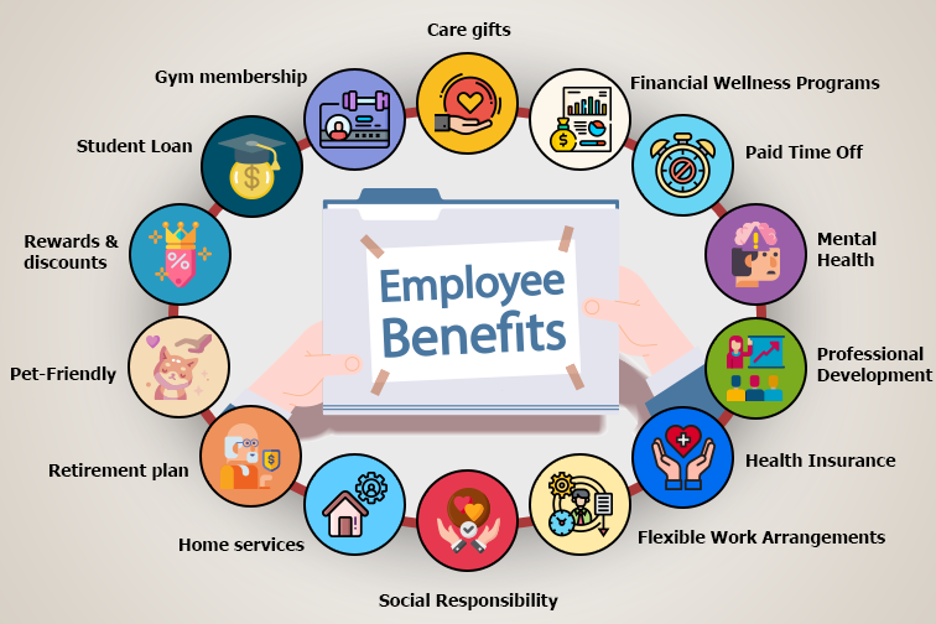
When it comes to choosing a health insurance plan as an employee, there are several options to consider. Each type of plan has its own set of features and benefits that cater to different healthcare needs and preferences. Let's explore the different types of health insurance plans available to employees and compare their key features.
Health Maintenance Organization (HMO)
An HMO plan typically requires members to choose a primary care physician (PCP) who coordinates all of their healthcare needs. Referrals are usually needed to see specialists, and services outside the network may not be covered except in emergencies. HMOs often have lower premiums and out-of-pocket costs, making them a cost-effective option for those who prefer a more managed approach to healthcare.
Preferred Provider Organization (PPO)
PPO plans offer more flexibility in choosing healthcare providers, allowing members to see specialists without a referral and visit out-of-network providers at a higher cost. While premiums and out-of-pocket costs are generally higher than HMOs, PPOs provide greater freedom of choice when it comes to healthcare providers and facilities.
This type of plan may be beneficial for individuals who want more control over their healthcare decisions.
High Deductible Health Plan (HDHP)
HDHPs have lower premiums than traditional health insurance plans but come with higher deductibles. These plans are often paired with Health Savings Accounts (HSAs) or Health Reimbursement Arrangements (HRAs) to help offset out-of-pocket costs. HDHPs are a good option for individuals who are generally healthy and don't anticipate needing frequent medical care, as they offer cost savings through lower premiums.
Coverage and Benefits
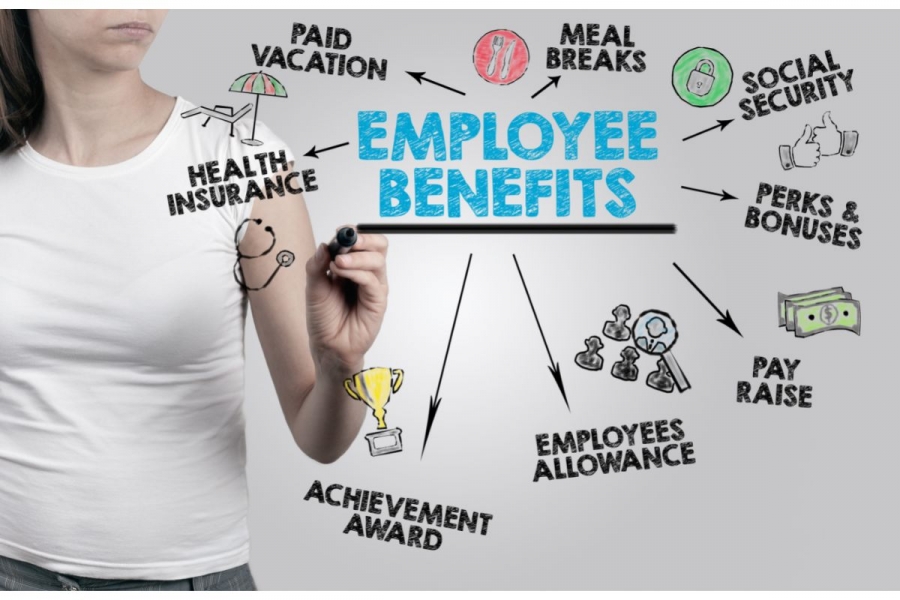
Employee health insurance plans typically offer coverage for a wide range of health services to ensure that workers have access to essential medical care when needed. These plans often include benefits beyond just medical treatment, such as preventive care and additional services like dental or vision coverage.
Common Health Services Covered
- Hospitalization and surgery
- Doctor visits and consultations
- Prescription medications
- Laboratory tests and diagnostic procedures
- Mental health services
Importance of Preventive Care Coverage
Preventive care is a crucial aspect of employee health insurance plans as it focuses on maintaining good health and preventing serious illnesses. By covering services such as regular check-ups, vaccinations, and screenings, these plans help employees detect and address health issues early on, leading to better health outcomes and reduced healthcare costs in the long run.
Additional Benefits
- Dental Coverage: Some health insurance packages may include dental benefits for routine exams, cleanings, and procedures.
- Vision Coverage: Employees may also have access to vision benefits, covering eye exams, glasses, and contact lenses.
- Wellness Programs: Some plans offer wellness initiatives like gym memberships, nutritional counseling, or smoking cessation programs to promote overall health and well-being.
Costs and Contributions
Employee health insurance plans often involve cost-sharing between employers and employees to ensure coverage for medical expenses. This sharing of costs helps to make healthcare more affordable for both parties.
Premium Costs
Employers typically pay a significant portion of the premium costs for employee health insurance plans, with employees also contributing a portion through payroll deductions. The exact breakdown of these costs can vary depending on the company and the specific plan chosen.
Deductibles, Copayments, and Coinsurance
Deductibles
This is the amount that employees must pay out of pocket before their insurance coverage kicks in. For example, if a plan has a $1,000 deductible, the employee must pay the first $1,000 of medical expenses before the insurance starts covering costs.
Copayments
These are fixed amounts that employees pay for specific services, such as doctor visits or prescription medications. For instance, a plan may require a $25 copayment for each doctor visit.
Coinsurance
This is the percentage of costs that employees are responsible for after meeting their deductible
Impact on Out-of-Pocket Expenses
Cost-sharing mechanisms like deductibles, copayments, and coinsurance can significantly impact employees' out-of-pocket expenses. Higher deductibles and coinsurance percentages mean employees will have to pay more for their healthcare services, while lower copayments can make routine visits more affordable. It's essential for employees to understand these costs to effectively budget for their healthcare needs.
Enrollment Process and Eligibility
When it comes to enrolling in an employee health insurance plan, there are certain steps that employees need to follow to ensure they have access to the coverage they need. Additionally, understanding the eligibility criteria is crucial to determine who qualifies for health insurance benefits and who does not.
Enrollment Steps
- Employees typically receive information about health insurance options during their onboarding process.
- Employees need to carefully review the available plans and select the one that best fits their needs.
- Employees then need to complete any required enrollment forms and submit them within the specified deadline.
- Once enrolled, employees will receive their health insurance cards and information on how to use their benefits.
Eligibility Criteria
- Most full-time employees are eligible for health insurance benefits, while part-time employees may have access to a limited selection of plans.
- Employees may need to work a certain number of hours per week or month to qualify for health insurance coverage.
- Some employers may impose a waiting period before new employees can enroll in the health insurance plan.
- Employees may need to complete a probationary period before becoming eligible for health insurance benefits.
Understanding Network Providers
Network providers play a crucial role in employee health insurance plans, impacting both the quality of care and the costs involved. Understanding the concept of network providers is essential for employees to maximize the benefits of their health insurance coverage.
In-Network vs. Out-of-Network Providers
Network providers refer to healthcare professionals, facilities, and hospitals that have agreements with the insurance company to provide services at a discounted rate. In-network providers have negotiated rates with the insurance company, resulting in lower out-of-pocket costs for the policyholder.
On the other hand, out-of-network providers do not have agreements with the insurance company, often leading to higher costs for the policyholder.
Advantages of Utilizing Network Providers
- Cost-Effective Care: By choosing in-network providers, employees can benefit from lower deductibles, copayments, and coinsurance, ultimately reducing their healthcare expenses.
- Provider Quality: Network providers are typically vetted by insurance companies for their credentials and quality of care, ensuring policyholders receive reliable and efficient healthcare services.
- Convenience: In-network providers are easily accessible and may offer a more streamlined process for referrals, prescriptions, and follow-up care, enhancing the overall patient experience.
- Predictable Costs: Utilizing network providers allows employees to better predict their healthcare costs, as they are aware of the negotiated rates and coverage details provided by the insurance plan.
Employee Wellness Programs
Employee wellness programs play a crucial role in promoting overall employee health and well-being while also helping to reduce healthcare costs for both employees and employers. These programs are designed to encourage employees to adopt healthy behaviors and lifestyles, ultimately leading to improved health outcomes.
Common Wellness Initiatives
- On-site fitness classes or gym memberships
- Nutrition counseling or healthy eating challenges
- Smoking cessation programs
- Mental health resources and counseling services
- Stress management workshops
Employee wellness programs can also include incentives such as financial rewards, gift cards, or discounted insurance premiums for participating in certain activities or meeting specific health goals. By engaging in these initiatives, employees can experience reduced absenteeism, increased productivity, and lower healthcare costs.
Improved Overall Health Outcomes
Participation in wellness programs has been shown to lead to a variety of positive health outcomes for employees. By engaging in regular physical activity, adopting healthier eating habits, and managing stress effectively, employees can experience improvements in their physical and mental well-being.
This, in turn, can lead to reduced risk of chronic diseases, better immune function, and overall higher quality of life.Employee wellness programs not only benefit individual employees but also contribute to a healthier and more productive workforce as a whole.
Employers who invest in these programs can see a significant return on investment through lower healthcare costs, improved employee morale, and increased retention rates.
FAQ
What are the eligibility criteria for enrolling in an employee health insurance plan?
Employees must typically work a certain number of hours or be in a specific job classification to qualify for health insurance coverage. Employers set these criteria based on company policies and regulations.
How are premium costs shared between employers and employees?
Premium costs are often split between employers and employees, with each party contributing a certain percentage. The exact breakdown varies depending on the company's health insurance policy.
What is the significance of preventive care coverage in health insurance plans?
Preventive care coverage helps employees access regular check-ups, screenings, and vaccinations to prevent serious illnesses. It focuses on early detection and intervention, promoting overall health and well-being.