
Small Business Health Insurance Tax Benefits Overview
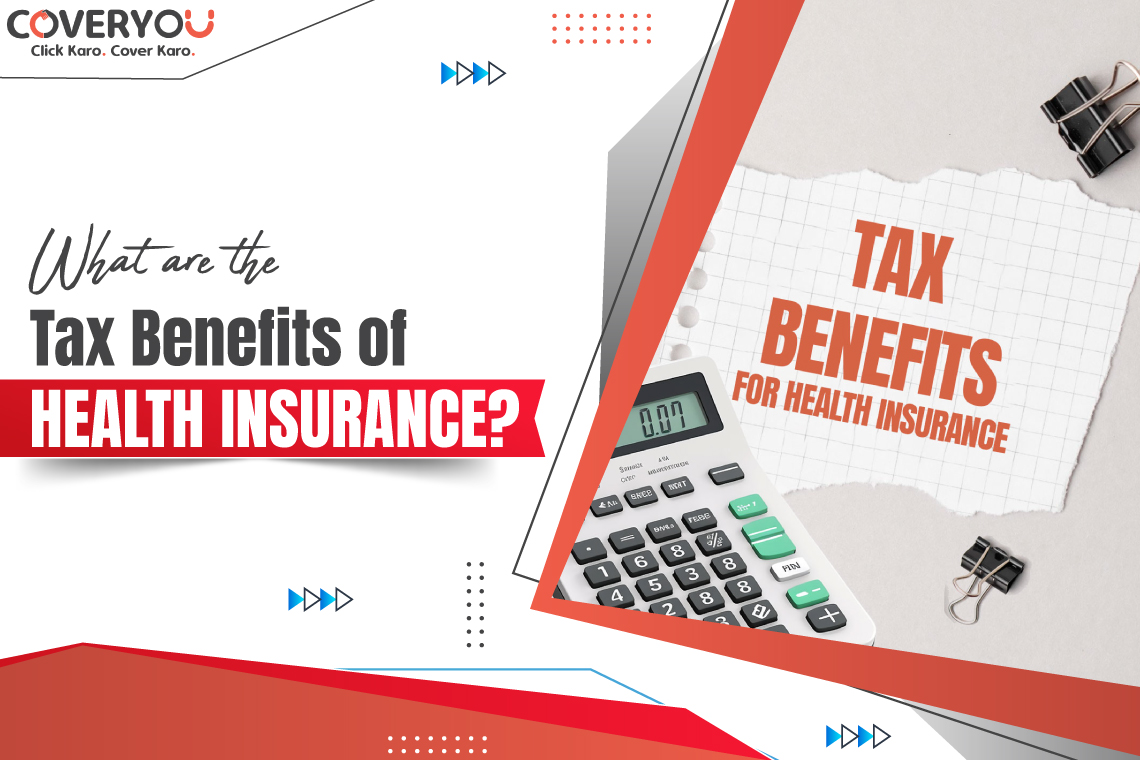
Small business health insurance tax benefits are incentives provided by the government to encourage small businesses to offer health insurance coverage to their employees. These benefits help offset the costs of providing health insurance and make it more affordable for small businesses to prioritize their employees' well-being.
Examples of Small Business Health Insurance Tax Benefits
- Small Business Health Care Tax Credit: Small businesses with fewer than 25 full-time equivalent employees who earn an average wage of less than $50,000 per year may be eligible for a tax credit of up to 50% of the premiums paid for employees' health insurance coverage.
- Business Expense Deduction: Small businesses can deduct the cost of providing health insurance for employees as a business expense, reducing their taxable income.
- Health Reimbursement Arrangements (HRAs): Small businesses can use HRAs to reimburse employees for medical expenses, providing a tax-free benefit to employees and a tax deduction for the business.
It is important for small business owners to understand these tax benefits as they can help increase employee satisfaction, attract top talent, and improve overall business performance. By taking advantage of these incentives, small businesses can save money on health insurance costs while providing valuable benefits to their employees.
Tax Benefits for Employer Contributions
Employer contributions towards employee health insurance play a crucial role in not only providing valuable benefits to employees but also in generating tax benefits for small business owners. These contributions are tax-deductible expenses that can significantly reduce the overall tax liability for the business.
Specific Tax Benefits
- Employer contributions towards employee health insurance premiums are typically considered a tax-deductible business expense. This means that the amount contributed by the employer can be subtracted from the total taxable income of the business, thereby reducing the amount of taxes owed.
- Small business owners who contribute to employee health insurance may also be eligible for additional tax credits, such as the Small Business Health Care Tax Credit. This credit is designed to help small businesses offset the cost of providing health insurance to their employees.
- Furthermore, employer contributions towards employee health insurance are not subject to payroll taxes, providing an additional tax benefit to businesses that offer health insurance coverage.
Tax Implications Comparison
- Businesses that offer health insurance to their employees typically enjoy lower turnover rates, higher employee satisfaction, and increased productivity. These benefits can indirectly lead to cost savings and improved profitability for the business.
- In contrast, businesses that do not offer health insurance may face challenges in attracting and retaining top talent, as well as potential penalties under the Affordable Care Act (ACA) for not providing adequate coverage to employees.
- From a tax perspective, businesses that do not offer health insurance miss out on the tax deductions and credits available to those that do, potentially resulting in higher tax liabilities and missed opportunities for savings.
Tax Credits for Small Businesses
Small businesses offering health insurance to employees can benefit from various tax credits that can help offset the costs of providing coverage. These tax credits are designed to incentivize small businesses to offer health insurance to their employees and promote employee well-being.
Available Tax Credits
- Small Business Health Care Tax Credit: This tax credit is available to small businesses with fewer than 25 full-time equivalent employees who offer health insurance through the Small Business Health Options Program (SHOP) Marketplace. The credit can cover up to 50% of the employer's contribution towards premium costs.
How Tax Credits Work
Small businesses can calculate their tax credits based on the premiums they pay for employee health insurance coverage. The credit amount is determined based on the number of employees, average wages, and the total premium costs paid by the employer.
Maximizing Tax Credits
- Offering Health Insurance: Small businesses must offer health insurance through the SHOP Marketplace to be eligible for the tax credit.
- Eligible Employees: Employers must have fewer than 25 full-time equivalent employees with average annual wages below a certain threshold to qualify for the maximum credit.
- Contribution Percentage: Employers can maximize their tax credits by contributing a higher percentage towards employee premiums.
Health Savings Accounts (HSAs) and Flexible Spending Accounts (FSAs)
Health Savings Accounts (HSAs) and Flexible Spending Accounts (FSAs) are valuable tools that small businesses and employees can utilize to save on taxes while covering healthcare expenses.
Tax Advantages of HSAs and FSAs
Health Savings Accounts (HSAs) and Flexible Spending Accounts (FSAs) offer tax advantages that can benefit small businesses and employees in several ways:
- Contributions to HSAs are tax-deductible, reducing taxable income for both employers and employees.
- Employer contributions to employee HSAs are not subject to payroll taxes, providing additional savings for businesses.
- Funds in FSAs are contributed pre-tax, reducing taxable income for employees.
Tax Implications of Contributing to and Utilizing HSAs and FSAs
When contributing to and utilizing HSAs and FSAs for health insurance purposes, small businesses and employees should be aware of the following tax implications:
- Contributions to HSAs are tax-deductible up to certain limits, providing a tax benefit for individuals and businesses.
- Withdrawals from HSAs for qualified medical expenses are tax-free, making it a tax-efficient way to cover healthcare costs.
- Unused funds in FSAs may be forfeited at the end of the plan year, so it's important to plan contributions carefully to avoid losing money.
Tips for Leveraging HSAs and FSAs for Tax Benefits
Small businesses can optimize their tax benefits by following these tips when utilizing HSAs and FSAs:
- Educate employees about the benefits of HSAs and FSAs to encourage participation and maximize tax savings.
- Consider offering employer contributions to employee HSAs to attract and retain talent while enjoying tax advantages.
- Regularly review and adjust contribution amounts to HSAs and FSAs based on healthcare needs and tax planning strategies.
General Inquiries
What tax benefits are available for small businesses offering health insurance?
Small businesses can benefit from tax credits and deductions for providing health insurance to employees, helping offset costs and promoting employee well-being.
How can small businesses maximize their tax credits related to health insurance?
Small businesses can optimize their tax credits by understanding eligibility criteria, exploring available options, and seeking professional guidance to navigate the complexities of health insurance taxation.
Are contributions to Health Savings Accounts (HSAs) tax-deductible for small businesses?
Yes, contributions to HSAs are tax-deductible for both small businesses and employees, offering a valuable avenue for tax savings and long-term health planning.
What are the key differences in tax implications for businesses offering health insurance versus those that do not?
Businesses offering health insurance can benefit from tax deductions and credits, while those that do not may miss out on potential tax savings and employee retention benefits.